
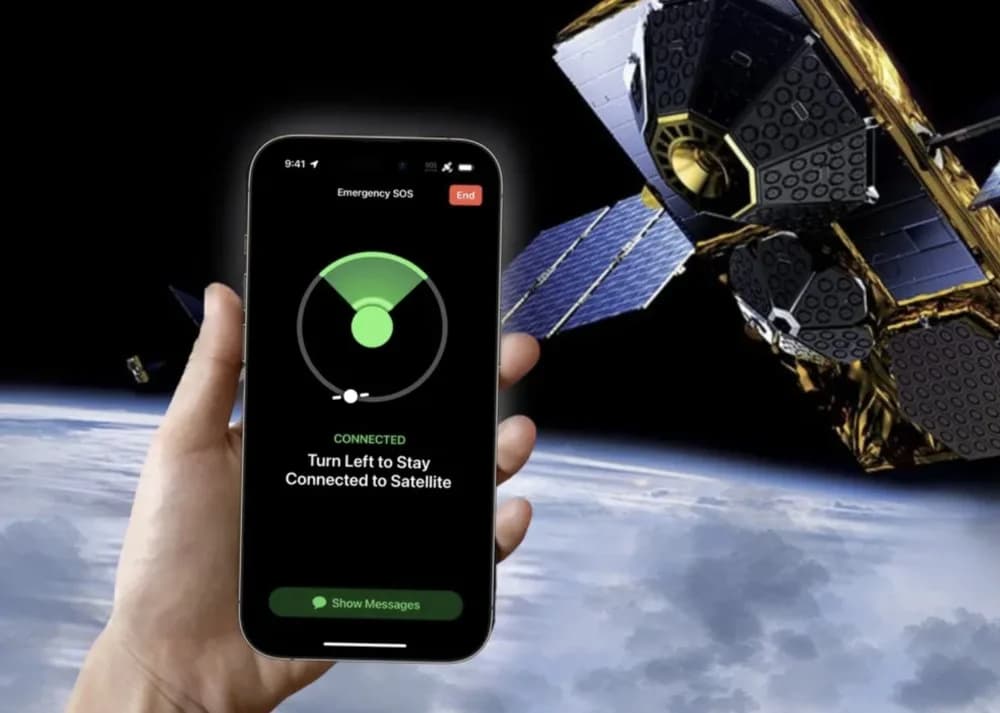
ဖုန်းလိုင်းမမိလို့ စိတ်ညစ်ရတဲ့ အခိုက်အတန့်တွေ၊ တောတောင်တွေထဲ ရောက်သွားရင် “No Service” ပြနေတဲ့ အခြေအနေတွေဟာ မကြာခင်မှာ အတိတ်မှာပဲ ကျန်ခဲ့တော့မှာပါ။ ဘာကြောင့်လဲဆိုတော့ ကမ္ဘာ့နည်းပညာ ကုမ္ပဏီကြီးတွေက ဖုန်းတာဝါတိုင်တွေအပေါ် မှီခိုနေရတာကို ကျော်လွန်ပြီး အာကာသထဲက ဂြိုဟ်တုတွေနဲ့ ဖုန်းတွေကို တိုက်ရိုက် ချိတ်ဆက်ပေးမယ့် “Direct-to-Cell” နည်းပညာကို အကောင်အထည်ဖော်နေကြလို့ ဖြစ်ပါတယ်။
Direct-to-Cell ဆိုတာ ဘာလဲ?
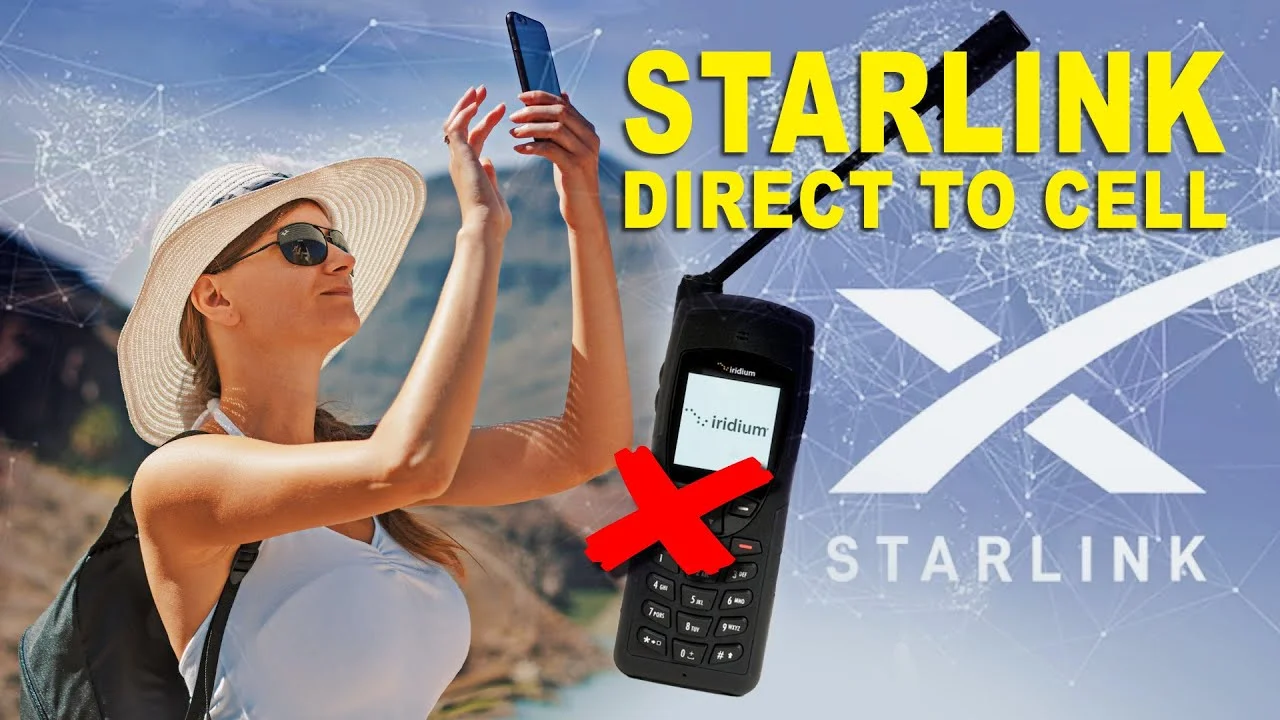
ရိုးရှင်းစွာ ပြောရရင်တော့ ကောင်းကင်ပေါ်မှာ ပျံသန်းနေတဲ့ ဂြိုဟ်တုတွေကို ဖုန်းတာဝါတိုင်တွေအဖြစ် ပြောင်းလဲလိုက်တာပါပဲ။ အရင်က ဂြိုဟ်တုဖုန်း (Satellite Phone) တွေကို သုံးမယ်ဆိုရင် စက်ကြီးတွေ၊ အင်တင်နာ အရှည်ကြီးတွေ လိုအပ်ပါတယ်။ ဒါပေမဲ့ အခုနည်းပညာသစ်မှာတော့ ကျွန်တော်တို့ လက်ရှိကိုင်နေတဲ့ ရိုးရိုး 4G/LTE ဖုန်းတွေနဲ့တင် အာကာသထဲက Starlink လို ဂြိုဟ်တုတွေဆီ တိုက်ရိုက်လှမ်းချိတ်ပြီး စာပို့တာ၊ ဖုန်းခေါ်တာနဲ့ အင်တာနက် သုံးတာတွေကို လုပ်ဆောင်နိုင်မှာ ဖြစ်ပါတယ်။
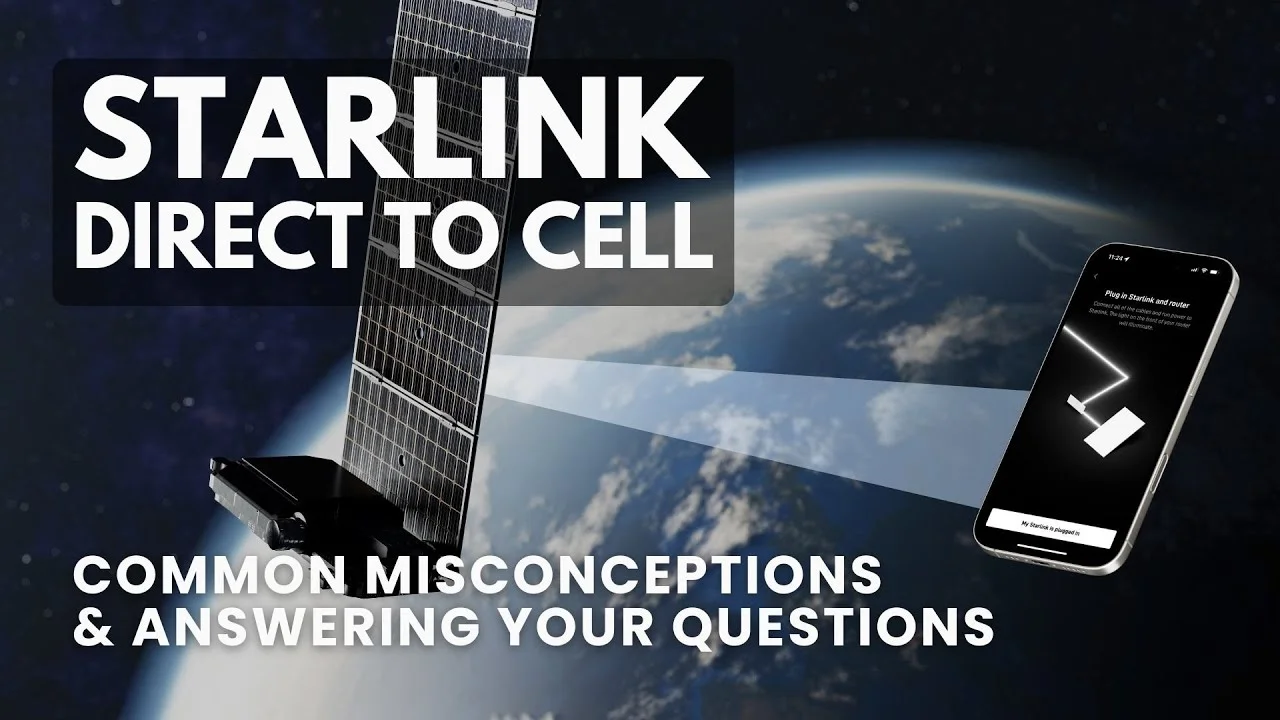
ဘယ်သူတွေ ဦးဆောင်နေလဲ?
ဒီကဏ္ဍမှာ Elon Musk ရဲ့ SpaceX (Starlink) က ထိပ်ဆုံးကနေ ဦးဆောင်နေပါတယ်။ သူတို့ဟာ T-Mobile လို ဆက်သွယ်ရေး ကုမ္ပဏီတွေနဲ့ ပူးပေါင်းပြီး ဖုန်းတာဝါတိုင် မရှိတဲ့ နေရာတွေမှာတောင် ဂြိုဟ်တုကနေတစ်ဆင့် လိုင်းမိအောင် စီစဉ်နေပါတယ်။ ဒါ့အပြင် AST SpaceMobile နဲ့ တခြား ကုမ္ပဏီတွေကလည်း ဒီနည်းပညာကို အပြိုင်အဆိုင် ကြိုးစားနေကြပါတယ်။
ဘာတွေ အကျိုးထူးမလဲ?
၁။ နေရာတိုင်းမှာ လိုင်းမိခြင်း
ပင်လယ်ပြင်၊ တောနက်၊ သဲကန္တာရ လို လူသူအရောက်အပေါက် နည်းတဲ့ နေရာတွေမှာပါ ဖုန်းလိုင်း မိလာပါလိမ့်မယ်။ “Dead Zone” ဆိုတဲ့ လိုင်းမမိတဲ့ နေရာဆိုတာ ကမ္ဘာပေါ်မှာ ရှိတော့မှာ မဟုတ်ပါဘူး။
၂။ အသက်ကယ်ဆယ်နိုင်ခြင်း
သဘာဝဘေးအန္တရာယ်ကြောင့် ဖုန်းတာဝါတိုင်တွေ ပျက်စီးသွားတဲ့အချိန် ဒါမှမဟုတ် တောထဲမှာ လမ်းပျောက်နေတဲ့အချိန်မျိုးတွေမှာ အရေးပေါ် ဖုန်းခေါ်ဆိုမှုတွေ ပြုလုပ်နိုင်တဲ့အတွက် အသက်ပေါင်းများစွာကို ကယ်တင်နိုင်မှာ ဖြစ်ပါတယ်။
အနာဂတ် အလားအလာ
၂၀၂၆ ခုနှစ်အတွင်းမှာ ဒီဝန်ဆောင်မှုတွေက ပိုမို တွင်ကျယ်လာဖို့ ရှိပါတယ်။ စာပို့တာ (Text) ကို အရင်ဆုံး စတင်မှာဖြစ်ပြီး နောက်ပိုင်းမှာတော့ Voice Call နဲ့ Data (အင်တာနက်) တွေကိုပါ အသုံးပြုလာနိုင်မှာ ဖြစ်ပါတယ်။ ဒါဟာ ဆက်သွယ်ရေးလောကရဲ့ ကြီးမားတဲ့ တော်လှန်ရေးတစ်ရပ် ဖြစ်ပြီး ကမ္ဘာကြီးကို ရွာကြီးတစ်ရွာအဖြစ် အမှန်တကယ် ပြောင်းလဲပေးနိုင်မယ့် နည်းပညာတစ်ခုပဲ ဖြစ်ပါတယ်။
Ref: Google Gemini


