
news
Will Smartphones Give Way to Smart Glasses?
About 15 years ago, everyone marveled when smartphones replaced button phones. Now the tech world is heading toward another major shift: smart glasses may replace the smartphones in our hands.
About 15 years ago, everyone marveled when smartphones replaced button phones. Now the tech world is heading toward another major shift: smart glasses may replace the smartphones in our hands.
Current State and the Role of AI
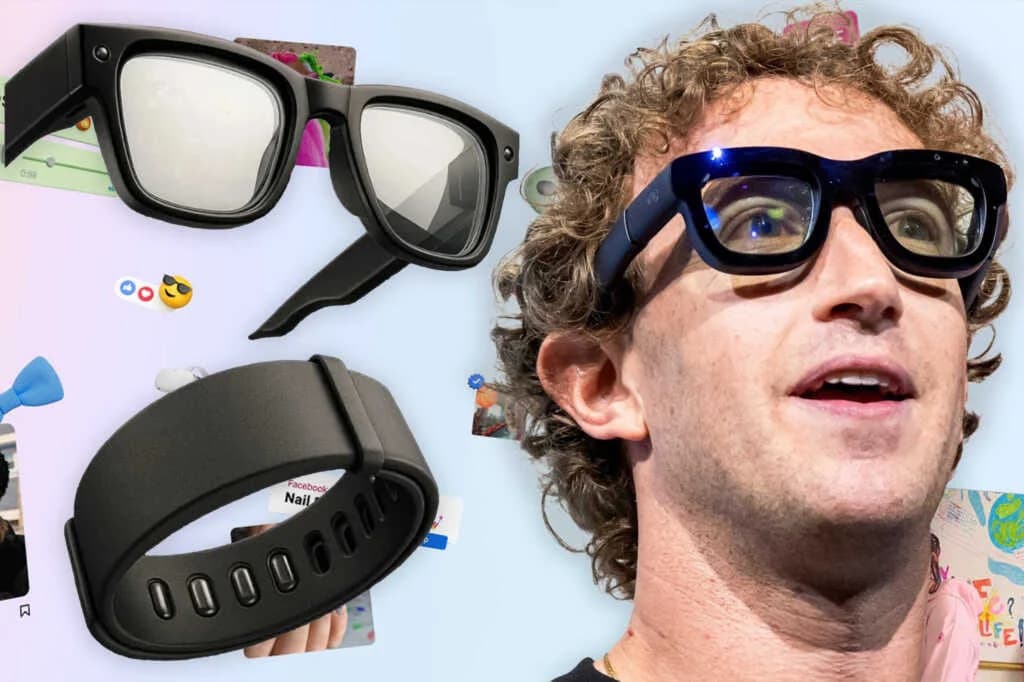
Products like the Meta (Facebook) x Ray-Ban smart glasses, Snap's Spectacles, and recently unveiled AR glasses like the Orion are already pioneering this trend. The key driver is AI. Unlike before — when glasses could only take photos — you can now ask questions about what you're looking at, get instant translations, and receive navigation guidance directly in front of your eyes, without ever pulling out your phone.
The Advantages of Smart Glasses
The biggest draw of smart glasses is being "hands-free." You can make calls, send messages, and record videos without holding a phone. Imagine walking in a foreign country and seeing a sign translated into your language through your glasses in real time — an experience smartphones simply can't offer.
Will Smartphones Really Disappear?
Not immediately. Current smart glasses still have limitations:
1. Battery and Heat — A tiny glasses frame can't fit a large battery, and AI processing can cause overheating.
2. Privacy — People around you may be suspicious of someone wearing camera-equipped glasses.
3. Display — Achieving smartphone-quality visuals and text input is still a challenge.
Conclusion
Around 2026 and 2027, smart glasses will become more popular, but smartphones won't retire immediately. Like smartwatches, they'll first enter the market as accessories that work alongside your phone.
But as technology advances — lighter frames, longer battery life, holographic displays that work like a phone screen — the day may come when we leave our phones at home.
Ref: Google Gemini


