
news
Japan's Wearable Device That Generates Electricity From Sweat
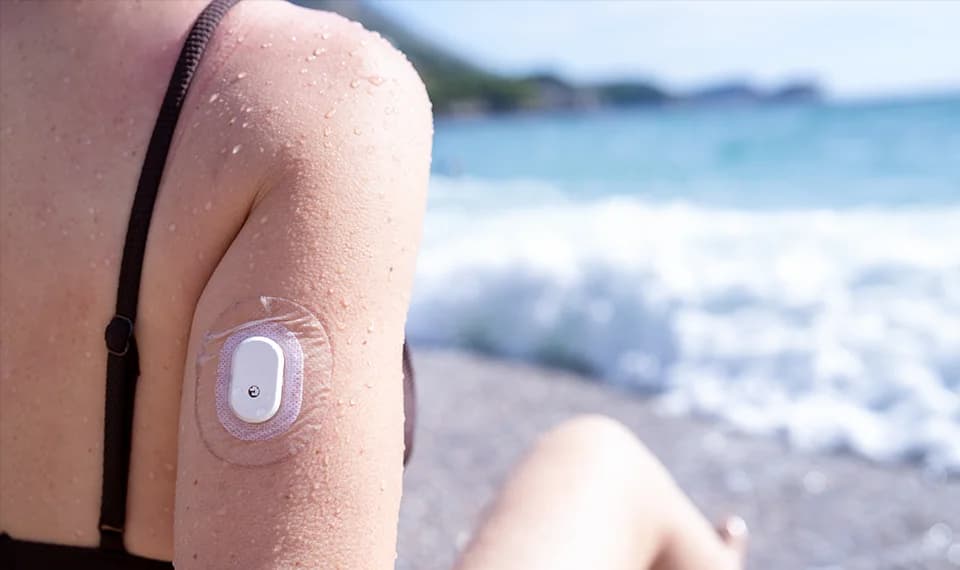
Engineers from the Tokyo University of Science have developed an ultra-thin wearable patch that can directly generate electrical energy from human sweat.
Engineers from the Tokyo University of Science have developed an ultra-thin wearable patch capable of directly generating electrical energy from human sweat. This research, published on February 6, 2026, was led by Associate Professor Isao Shitanda. Since more physical movement produces more sweat and thus more energy, the device could serve as a battery replacement for health monitoring during sports activities.
The device converts chemical compounds found in sweat — such as lactate — into electrical energy using Enzyme Biofuel Cell (EBFC) technology. The key breakthrough was the engineers' development of a water-based enzyme ink that allows the entire biofuel cell to be printed in a single pass without multiple processing steps, making manufacturing faster and easier.
Laboratory tests showed that while the device doesn't produce as much power as conventional batteries, it generates sufficient electricity for small sensors like heart rate monitors that transmit data via Bluetooth. This means it could eventually be used for real-time monitoring of athletes, remote patient monitoring in hospitals, and disposable medical devices — with no battery required.
While the technology looks very promising, further research is still needed on maintaining enzyme performance over time before commercial mass production is feasible. Recent tests found that storing the devices at 5°C in air extended enzyme lifespan, and scientists are working toward self-powered monitoring devices that can operate autonomously.
Ref: electricaltechnology


