
news
Wearable Health Tech That Monitors Your Health Without a Doctor (A Health Assistant on Your Wrist)
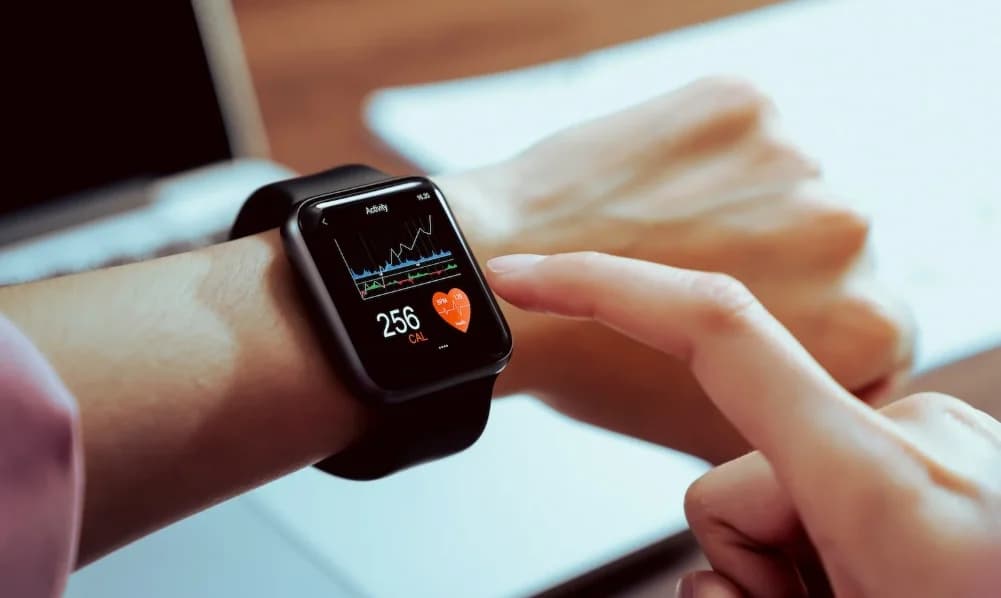
Nobody enjoys visiting clinics, waiting in lines, or getting blood draws. But in today's fast-advancing tech world, smartwatches and wearable devices can now monitor your health anytime, anywhere.
Nobody enjoys visiting clinics, waiting in lines, or getting blood draws. But in today's fast-advancing tech world, smartwatches and wearable devices can now monitor your health anytime, anywhere — ushering in a major revolution in healthcare.
Non-Invasive Glucose Monitoring
The most talked-about wearable technology right now is "blood sugar monitoring without a needle." For people with diabetes, pricking their fingertip daily for blood sugar tests is painful and frustrating.
Companies like Apple and Samsung are working to solve this. Their technology uses optical sensors or lasers to shine light through the skin, then analyzes the reflected light using spectroscopy to estimate blood sugar levels.
If this technology is perfected, it will be a life-changing breakthrough for diabetics.
Blood Pressure Monitoring on Your Wrist
High blood pressure is known as a "silent killer" and requires regular monitoring. Where traditional blood pressure checks required a cuff and bulky equipment, smartwatches are now taking on that role.
Devices like the Samsung Galaxy Watch already include blood pressure monitoring. Currently, monthly calibration with a traditional cuff is still needed for accuracy, but in the near future, a watch on your wrist may continuously monitor your blood pressure 24/7 with precision.
AI-Powered Insights
The power of wearables doesn't stop at sensors. When the vast data they collect is analyzed with Artificial Intelligence, the insights become even more powerful:
Heart health: detecting irregular heartbeats (Atrial Fibrillation – AFib) and providing early warnings of stroke risk.
Sleep and oxygen: detecting signs of sleep apnea and drops in blood oxygen levels during sleep.
Important Note
No matter how advanced these technologies become, one thing must not be forgotten: Wearable Health Tech is currently only a "health assistant." It's a tool to help detect symptoms early and encourage healthier habits — not a replacement for a doctor's diagnosis, confirmation, and treatment. If your watch shows an alert, consult a qualified doctor for confirmation.
In summary, Wearable Health Tech is shifting our healthcare approach from "reactive" (treat disease after it happens) to "proactive" (prevent disease before it occurs). Knowing what's happening inside your body in real time — without needles or pain — will be one of the key drivers of longer, healthier lives.
Ref: Google Gemini


